
Best Knee Massager 2026: RejuvaKnee Hits 3,000+ Ratings as 10,000 Baby Boomers Daily Face Rising Healthcare Costs
"Triple Method" Heated Knee Massager Gains Traction Among 27.5M Uninsured Americans and Medicare Beneficiaries Seeking Affordable Alternatives to Clinical Physical Therapy
CLAYMONT, Dec. 23, 2025 (GLOBE NEWSWIRE) -- Affiliate Disclosure: This article contains affiliate links. If you purchase through these links, a commission may be earned at no additional cost to you. This compensation does not influence the accuracy or integrity of the information presented.
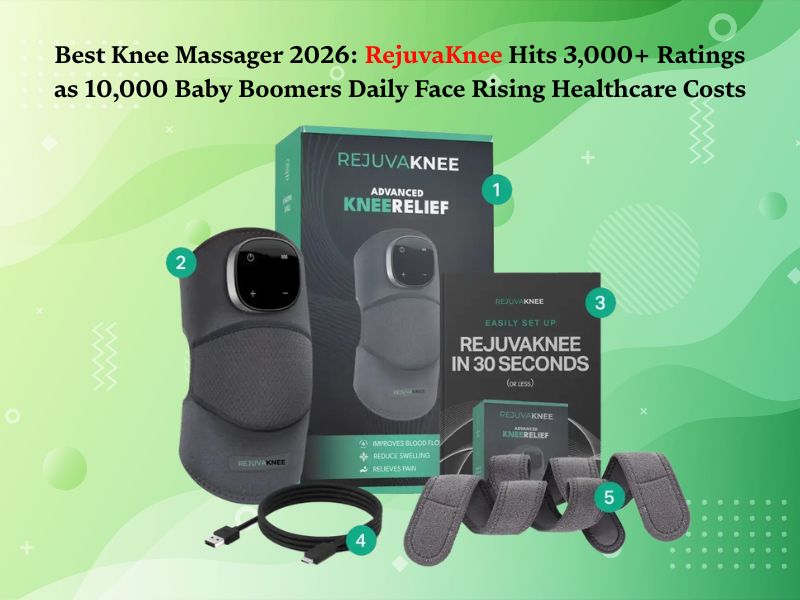
As 10,000 Baby Boomers turn 65 daily through 2030 according to NIH data—the largest generational aging wave in U.S. history—and 27.5 million Americans remain uninsured while healthcare costs outpace wage growth, RejuvaCare's heated knee massager has crossed 3,000 customer ratings, positioning RejuvaKnee as a widely reviewed at-home knee comfort device for Americans entering 2026 with mobility and wellness goals. According to the company's latest data released this week, the device's "Triple Method" approach—combining heat therapy, therapeutic massage, and dynamic compression—has attracted substantial consumer attention as the convergence of demographic aging, healthcare access gaps, and economic pressure drives demand for non-invasive alternatives to clinical interventions.
The timing reflects broader market forces beyond typical seasonal patterns: chronic discomfort prevalence increases significantly with age according to longitudinal NIH studies, yet rising deductibles, Medicare coverage gaps, and medical debt affecting over 100 million Americans create financial barriers to traditional care approaches. Readers interested in more details can view the current RejuvaKnee offer (official RejuvaCare page) as this intersection of aging demographics and healthcare affordability crisis positions at-home wellness devices as increasingly relevant solutions entering 2026. RejuvaKnee's milestone of accumulating over 3,000 ratings since its 2020 launch signals sustained consumer engagement in a category experiencing growth as Americans prioritize accessible comfort-focused options.
Market Context: Demographic Aging and Healthcare Economics Drive At-Home Knee Comfort Demand
The heated knee massager category is experiencing growth driven by converging demographic and economic forces that extend far beyond typical wellness device trends. By 2030, all Baby Boomers will be age 65 or older—approximately 73 million Americans simultaneously entering peak years for chronic joint concerns. This unprecedented aging wave coincides with a healthcare affordability crisis characterized by 27.5 million uninsured Americans as of 2023 according to Kaiser Family Foundation data, rising out-of-pocket costs for those with coverage, and medical debt burdens that discourage clinical care utilization.
According to NIH research on aging populations and chronic discomfort, back and joint concerns are rising faster than overall healthcare inflation, creating particular financial strain for seniors on fixed incomes. Medicare coverage gaps leave many older Americans responsible for significant cost-sharing, while younger uninsured or underinsured individuals managing early-onset joint concerns face even steeper barriers to professional services. This economic context explains why consumer interest in affordable, one-time-purchase at-home devices has intensified entering 2026, building on documented trends in non-invasive comfort solutions for aging populations.
RejuvaKnee enters this landscape positioned within a competitive market that includes premium devices exceeding $200 and budget options starting below $50. According to the company's positioning data, RejuvaKnee's starting price point of $199.99 targets consumers seeking multi-modal therapy—heat, massage, and compression combined—as an accessible alternative to recurring clinical appointment costs or pharmaceutical dependencies. Those evaluating at-home comfort options for 2026 can view the current RejuvaKnee offer (official RejuvaCare page) for detailed information. The 3,000+ customer rating milestone, achieved over five years of market presence, suggests sustained consumer interest beyond initial launch momentum.
Market Differentiation Factors:
Economic Accessibility Positioning: According to company data, RejuvaKnee's $199.99 single-unit starting price represents a one-time investment rather than recurring clinical fees. For context, publicly reported estimates place physical therapy sessions typically in the $75-200 per visit range according to healthcare cost data, with treatment plans often requiring 6-12 sessions over several weeks—total costs that can reach $1,000-2,400 for uninsured or high-deductible patients. RejuvaKnee's positioning addresses this cost barrier for the 27.5 million uninsured Americans and millions more facing high deductibles or Medicare gaps who need comfort support solutions but cannot afford ongoing professional care.
Triple Method Positioning: The company markets its "Triple Method" terminology as distinct from single-function devices. According to RejuvaCare's product specifications, the integration of heat (warming element), massage (vibration nodes), and compression (adjustable pressure wrap) differentiates RejuvaKnee from standalone heat pads or simple compression sleeves that address only one therapeutic modality. For consumers managing multiple aspects of knee discomfort—stiffness, circulation, muscle tension—the consolidated approach may offer better value than purchasing three separate single-function devices.
Demographic Targeting: RejuvaKnee's marketing emphasizes independence and self-sufficiency—key values for Baby Boomers who prefer maintaining autonomy over health management when possible. The at-home convenience model eliminates appointment scheduling, transportation barriers, and dependency on clinical availability—factors particularly relevant for older adults with mobility limitations or those in rural areas with limited access to physical therapy services.
Multi-Pack Value Structure: Volume pricing options (2-pack and 3-pack bundles according to the website) address bilateral knee concerns common among aging populations, allowing households to equip both knees or multiple family members facing similar joint issues as the Baby Boomer generation ages collectively.
The "Triple Method" Approach: What RejuvaKnee Offers for 2026
RejuvaKnee's core value proposition centers on simultaneous delivery of three therapeutic modalities through a single wearable device, as detailed in previous technical analysis of heated knee massager technology. According to the company's technical specifications, the system operates as follows:
Heat Therapy Component: The device incorporates a heating element designed to deliver consistent warmth to the knee area. Per the company's description, this component aims to support healthy circulation around the joint, a mechanism relevant for individuals whose reduced movement patterns—common among aging populations and sedentary workers—may contribute to stiffness. Heat therapy remains among the most accessible comfort modalities, with extensive research supporting its use in managing temporary joint discomfort.
Therapeutic Massage Function: Integrated massage nodes apply rhythmic vibration designed to complement the heat element. According to the company's materials, this component targets muscle tension in the area surrounding the knee joint. The massage function differentiates RejuvaKnee from passive heat wraps by adding mechanical stimulation intended to promote localized blood flow—a consideration for older adults whose circulation naturally decreases with age.
Dynamic Compression System: The adjustable wrap provides customizable compression around the knee and surrounding leg areas. Per the company's positioning, this feature addresses occasional swelling and fluid buildup—concerns that increase in frequency among aging populations dealing with prolonged standing, physical activity, or age-related changes in circulation patterns.
The simultaneous application of all three modalities distinguishes RejuvaKnee from devices offering only one or two functions. For consumers researching the best knee massager for 2026 while managing healthcare budget constraints, this multi-modal approach represents a key decision factor when comparing single-function alternatives like basic heating pads or compression-only sleeves. Detailed specifications are available when you view the current RejuvaKnee offer (official RejuvaCare page) for comparison with other at-home comfort options.
Research Context: Heat, Massage, and Compression for Joint Support
While RejuvaKnee as a finished consumer product has not been independently studied in peer-reviewed clinical trials, the individual therapeutic approaches it incorporates have been researched extensively in broader contexts relevant to aging populations:
Heat Therapy and Joint Comfort: Studies on thermotherapy indicate that applied heat can increase local blood flow, which may support nutrient delivery to joint tissues. Research published in rehabilitation journals suggests that regular heat application is associated with temporary improvements in stiffness perception, particularly for individuals with degenerative joint conditions—concerns that increase in prevalence as the Baby Boomer generation ages. This mechanism forms the scientific foundation for why heat-based devices remain popular among older adults managing everyday joint discomfort.
Massage and Muscle Relaxation: Clinical reviews of massage therapy for knee concerns show that mechanical pressure can influence proprioception and may help reduce the perception of discomfort. A 2022 review in Complementary Therapies in Clinical Practice found that participants receiving regular massage reported improvements in knee function after several weeks, particularly regarding stiffness. For aging populations experiencing muscle tension around weight-bearing joints, the mechanical stimulation component addresses a common contributor to overall discomfort.
Compression for Circulation Support: Compression therapy has been studied for managing edema and supporting venous return—particularly relevant for older adults whose venous circulation efficiency naturally declines with age. In the context of knee support, gentle compression may help with fluid distribution, though responses vary significantly based on individual physiology and the specific cause of swelling. Compression is considered generally safe when applied at appropriate pressures and durations.
Important Clarification: These research findings reflect ingredient-level mechanisms—studies of heat, massage, and compression in various therapeutic contexts, some specifically involving aging populations. They do not constitute evidence that RejuvaKnee specifically will produce clinical outcomes. The device is designed to support comfort through established modalities, not to treat medical conditions. Individuals considering any at-home wellness device for 2026 should understand this distinction between general mechanism research and product-specific clinical validation.
Who the Best Knee Massager for 2026 May Serve
Rather than relying on selective customer testimonials, a more useful analysis considers whether RejuvaKnee's characteristics align with specific user profiles and situations—particularly those most affected by the convergence of aging demographics and healthcare access challenges heading into 2026.
RejuvaKnee May Align Well With People Who:
Face Healthcare Cost Barriers: For individuals among the 27.5 million uninsured Americans, those with high-deductible plans that make routine physical therapy financially prohibitive, or Medicare beneficiaries managing significant out-of-pocket costs, RejuvaKnee's one-time purchase model addresses a critical access barrier. If recurring clinical appointments for knee comfort support exceed your healthcare budget, a device offering multi-modal therapy for a single investment may provide better long-term value alignment than forgoing care entirely due to cost concerns.
Are Part of the Aging Baby Boomer Wave: If you're among the 10,000 Baby Boomers turning 65 daily through 2030, experiencing the normal age-related joint changes that accompany this demographic transition, RejuvaKnee's design addresses common concerns in your cohort—decreased circulation efficiency, muscle tension around weight-bearing joints, and occasional stiffness after reduced activity. The device's self-administered approach aligns with Baby Boomer preferences for maintaining autonomy over health management when possible.
Prioritize At-Home Wellness Independence: For individuals entering 2026 with goals to establish consistent self-care practices without depending on clinical appointment availability or scheduling constraints, RejuvaKnee's hands-free design allows for use during other activities—reading, working remotely, evening relaxation. The device requires no professional setup or supervision, fitting naturally into daily routines for people who prefer autonomous health management—particularly relevant for those in rural areas with limited physical therapy access or older adults with transportation challenges.
Experience Occasional Stiffness from Sedentary Patterns: If your discomfort tends to manifest after extended sitting or limited movement throughout the day—common among aging desk workers, retirees with reduced activity levels, or individuals whose lifestyle changes have decreased daily movement—the combination of heat and massage may help ease that sensation. As winter months of early 2026 encourage more indoor time, devices supporting circulation and flexibility may see heightened relevance for aging populations whose joint concerns intensify in cold weather.
Seek Non-Pharmaceutical Options Amid Rising Drug Costs: For consumers who prefer physical modalities over prescription medications—particularly relevant as prescription drug costs rise faster than inflation and create additional financial burden—RejuvaKnee's mechanical, non-pharmaceutical approach aligns with growing interest in non-chemical comfort strategies. This positioning particularly resonates with older adults concerned about medication interactions or seeking to minimize pharmaceutical dependencies.
Value Extended Evaluation Periods: The 90-day satisfaction guarantee structure appeals to consumers willing to commit to consistent use over weeks rather than expecting immediate transformation. For individuals entering 2026 with realistic expectations about cumulative benefits from regular self-care—particularly aging adults who understand that managing chronic concerns requires sustained effort rather than quick fixes—this timeline aligns with how heat and massage therapies typically function for joint support.
Other Options May Be Preferable For People Who:
Have Acute Injuries or Post-Surgical Needs: RejuvaKnee is not designed for recent trauma, surgical recovery, or acute inflammation. If your knee concern involves injury within the past several months, post-operative rehabilitation needs, or sudden onset of severe symptoms, professional medical evaluation is the appropriate first step before considering any consumer wellness device for 2026—regardless of insurance status or healthcare access limitations.
Require Medical-Grade Interventions: If discomfort significantly limits mobility, prevents normal weight-bearing, or is accompanied by persistent swelling unrelated to typical activity, a consumer device may not provide adequate support. These situations warrant healthcare provider consultation to determine whether underlying structural issues require professional treatment rather than at-home comfort measures—even if cost barriers make clinical care challenging to access, delaying evaluation of serious conditions creates greater long-term health and financial risks.
Have Circulatory Conditions or Neuropathy: Heat and compression affect circulation patterns. Individuals with diagnosed vascular problems, diabetes-related neuropathy (increasingly common among aging populations), or diminished sensation in their legs should consult their physician before using heated compression devices. Reduced ability to accurately perceive temperature or pressure increases safety risks that necessitate professional clearance—this precaution applies regardless of healthcare cost concerns.
Expect Guaranteed Clinical Outcomes: RejuvaKnee is designed to support comfort through established modalities, not deliver specific measurable improvements in joint function. For consumers entering 2026 seeking devices with guaranteed clinical results, expectations may not align with what a consumer wellness product can realistically offer. Professional therapeutic interventions provide structured outcome measurement that self-administered devices do not—though cost barriers may make professional care less accessible.
Self-Assessment Questions for 2026 Health Goals
Before selecting any knee support device as part of New Year wellness planning—particularly if healthcare cost constraints influence your decision-making—consider:
- Is your discomfort chronic and manageable, or acute and limiting?
- Are you seeking supplemental support for an existing self-care routine, or do you need primary medical intervention regardless of cost concerns?
- Do you have conditions (circulatory problems, neuropathy, skin issues) that require medical clearance before heat/compression use?
- Are you prepared to use the device consistently for 90 days to properly evaluate its fit for your situation?
- Do your 2026 health goals include gradual lifestyle improvements, or are you seeking rapid transformation?
- Does healthcare cost or access limit your ability to pursue professional care, making at-home devices a more practical solution?
Your answers determine whether RejuvaKnee's characteristics—portability, multi-modal therapy, at-home convenience, one-time investment model, cumulative benefit approach—align with your specific needs heading into the new year within your healthcare budget constraints.
Competitive Positioning: How RejuvaKnee Compares for 2026
The heated knee massager market entering 2026 includes diverse options across price points and feature sets. Understanding where RejuvaKnee positions relative to common alternatives helps consumers make informed comparisons—particularly those balancing functionality against healthcare budget limitations.
RejuvaKnee vs. Premium Heated Massagers ($250-$350+)
Premium Category Examples: Devices incorporating red light therapy, advanced battery systems (6+ hours), temperature ranges exceeding 140°F, and app connectivity represent the premium segment.
RejuvaKnee Positioning: According to company data, RejuvaKnee at $199.99 offers heat, massage, and compression without premium features like red light therapy or app control. For consumers whose 2026 budget prioritizes functional multi-modal therapy over advanced technology—particularly uninsured or underinsured individuals for whom $150+ price differences represent significant financial decisions—RejuvaKnee's mid-market position may offer better value alignment. However, individuals with flexible healthcare budgets seeking cutting-edge features or professional-grade specifications may find premium options justify the additional investment.
Key Consideration: Premium devices often tout higher maximum temperatures and longer battery life, but these specifications don't necessarily translate to superior outcomes for all users. Heat effectiveness depends on individual tolerance and comfort preferences—hotter isn't always better. Battery duration matters primarily for frequent travelers or users requiring extended sessions without access to charging.
RejuvaKnee vs. Budget Heated Wraps ($30-$60)
Budget Category Examples: Basic heated knee wraps with simple on/off controls, single heat setting, and corded power supply represent entry-level options.
RejuvaKnee Differentiation: According to the company's specifications, RejuvaKnee integrates massage and compression alongside heat, whereas budget devices typically offer heat alone. The $199.99 price point positions RejuvaKnee as an upgrade from basic heat-only wraps for consumers wanting more comprehensive therapy without reaching premium pricing. For uninsured individuals or those managing significant medical debt, whether the $140-170 price premium for additional modalities represents good value depends on individual circumstances and comfort needs.
Trade-Off Analysis: Budget wraps provide heat at lowest cost but require separate purchases for massage or compression functionality. RejuvaKnee consolidates three modalities in one device, potentially offering better long-term value for users who would otherwise buy multiple single-function products. However, consumers facing severe budget constraints who need only heat therapy may find budget options adequate without paying for additional features—particularly if choosing between a comprehensive device and forgoing support entirely due to cost.
RejuvaKnee vs. Professional Physical Therapy
Professional PT Costs: For context, publicly reported estimates place individual physical therapy visits in the $75-200 range, with treatment plans often requiring 6-12 sessions over several weeks. Total out-of-pocket costs for a full PT course can reach $1,000-2,400 for uninsured patients or those with high-deductible plans. Even with insurance coverage, copays of $20-50 per session accumulate substantially over multi-week protocols.
RejuvaKnee Value Proposition: RejuvaKnee is positioned by the company as a consumer wellness device, not a replacement for professional care, but as an at-home option some consumers consider when recurring services are financially inaccessible. For the 27.5 million uninsured Americans and millions more facing high deductibles or Medicare coverage gaps, the device may provide accessible support that would otherwise be unaffordable.
Critical Context: RejuvaKnee does not replace skilled therapeutic assessment, corrective exercise prescription, manual therapy techniques, or functional movement training that licensed professionals provide. It serves individuals whose concerns don't warrant intensive professional intervention, who need maintenance support between limited PT sessions they can afford, or who face cost barriers that make professional care financially inaccessible. When serious underlying structural issues exist, the long-term cost of delaying professional evaluation exceeds the upfront expense of proper diagnosis—consumer devices should not substitute for necessary medical care even when cost creates barriers.
RejuvaKnee vs. Over-the-Counter Topicals
Topical Solutions: Creams, gels, and patches delivering localized cooling or warming sensations typically cost $8-25 per application container, requiring ongoing repurchase. They're portable, require no equipment, and can be applied during activity.
RejuvaKnee Approach: Mechanical therapy (heat, massage, compression) rather than topical absorption. One-time $199.99 investment versus recurring OTC purchases that can accumulate to similar or higher costs over several months. Appeals to consumers preferring physical modalities over chemical application or seeking more immersive therapy during dedicated recovery periods.
Combined Use: Many consumers employ both approaches—topical relief during daytime activity for convenience, RejuvaKnee during evening recovery for more comprehensive support. These address different use cases rather than directly competing. For budget-constrained consumers, evaluating 6-12 month topical costs against RejuvaKnee's one-time investment helps determine long-term value alignment.
Pricing Structure and Purchase Options for 2026
According to the official RejuvaKnee website, the device is available in multiple purchasing tiers as of December 2025. Pricing verification from the company's current web presence shows:
Standard Pricing Structure: The company's website lists current pricing tiers with volume discounts for multi-pack purchases. Specific promotional pricing, discount percentages, and bundle configurations are subject to change and should be verified directly on the official RejuvaCare website before purchase decisions.
Shipping Terms: According to the company's shipping policy, U.S. orders qualify for standard shipping with delivery timeframes provided at checkout. Expedited shipping options may be available for additional fees. International shipping to select countries is available with separate terms and timelines.
Guarantee Structure: The 90-day satisfaction guarantee requires that the product be used properly as intended for the full 90-day period before return eligibility. According to the refund policy, this structure differs from short-term trial guarantees—it's designed to assess long-term satisfaction after giving the device adequate time to demonstrate potential cumulative benefits. Returns require proof of purchase and proper usage verification. Customers are responsible for return shipping costs.
Payment Options: The company accepts major credit cards ( American Express , Discover, Mastercard , Visa ) and PayPal . All transactions are processed in U.S. dollars.
Important Pricing Context: All pricing, promotional offers, and discount structures were current as of December 2025 publication date but are subject to change. Always verify current details when you view the current RejuvaKnee offer (official RejuvaCare page) before purchasing. The company does not publish pricing through third-party retailers to maintain control over discount structures and avoid unauthorized pricing.
Realistic Expectations: What 2026 Users Should Understand About Timelines
RejuvaKnee does not publish a guaranteed week-by-week results timeline. According to the product page, the company states users may notice changes in perceived comfort and mobility with consistent use over time.
Based on how heat, massage, and compression therapies generally function in research contexts—and reflecting realistic expectations for at-home devices versus professional interventions—here's a framework for consumers incorporating RejuvaKnee into 2026 wellness routines:
Initial Sessions (First Week of 2026):
Immediate Device Function: Users experience the sensory feedback of heat, vibration, and compression during operation. This immediate response reflects the device working as designed—not necessarily a change in underlying joint condition.
Temporary Comfort: Some individuals report feeling less stiff during and shortly after sessions. This likely reflects increased local circulation and muscle relaxation while the device is active, similar to how a hot shower provides temporary ease without addressing root causes. For aging individuals whose circulation naturally decreases, this temporary improvement may feel more pronounced than for younger users.
Settings Adjustment: The company describes typical use sessions as time-limited and adjustable, with specific guidance provided in the product documentation. What feels comfortable varies significantly between individuals based on tolerance, tissue sensitivity, age-related changes in skin thickness, and personal preferences.
Consistent Use Period (January-February 2026):
Routine Integration: By mid-January, users who continue regular application have typically established when and how they incorporate RejuvaKnee into daily schedules—morning mobility preparation, post-exercise recovery, evening relaxation, or pre-bed wind-down. For older adults with established daily routines, consistent timing helps maximize cumulative benefits.
Pattern Recognition: With several weeks of consistent use, individuals may notice patterns in how their knee feels at different times of day or after specific activities. This awareness helps optimize device usage timing for maximum benefit within personal routines—particularly valuable for aging users learning to manage chronic concerns rather than expecting elimination of discomfort.
Cumulative Effect Context: Heat and massage therapies often show cumulative benefits with regular application over weeks rather than immediate transformation. This doesn't mean discomfort disappears entirely, but some users report that stiffness episodes feel less severe or that recovery after activity occurs more smoothly than before starting consistent use. For Baby Boomers managing age-related joint changes, realistic expectations focus on improved comfort management rather than restoration to younger joint function.
Extended Use (March 2026 and Beyond):
Maintenance Approach: By spring 2026, users who find meaningful value typically view RejuvaKnee as a maintenance tool within a broader joint health strategy—used alongside appropriate activity levels, weight management, and other self-care practices. For aging populations, this integrated approach acknowledges that managing chronic concerns requires multiple supportive strategies rather than single-solution thinking.
Long-Term Integration: Devices providing ongoing support are most beneficial when incorporated into sustainable routines rather than sporadic emergency interventions. Individuals reporting long-term satisfaction generally use RejuvaKnee consistently (daily or several times weekly) as part of established wellness habits—a commitment that aligns with how aging populations typically manage chronic health concerns.
Realistic Outcomes Assessment: The 90-day evaluation window ending around late March/early April 2026 for early adopters provides sufficient time to assess whether the device delivers meaningful support for individual circumstances. This timeline reflects the company's confidence that cumulative benefits emerge with proper, consistent use over weeks rather than immediate dramatic transformation—particularly relevant for older adults whose bodies respond more gradually to interventions than younger populations.
Timeline Variation Factors: Age, baseline knee condition, activity level, consistency of use, overall health status, presence of chronic diseases common among aging populations, and the specific cause of discomfort all influence individual timeline experiences. Older adults may require longer evaluation periods to determine effectiveness than younger users due to naturally slower physiological responses with aging.
Safety Considerations and Medical Consultation Guidance
RejuvaKnee is a consumer wellness device, not a medical treatment. According to the company's terms of service, "Most RejuvaCare products are safe and effective for people of all ages" and "No prescription is needed." However, certain situations warrant caution or professional consultation before use—particularly important for aging Baby Boomers who may have multiple health considerations:
Circulatory Conditions: Individuals with diagnosed peripheral artery disease, deep vein thrombosis history, or significant varicose veins should consult their physician before using heated compression devices. Altered blood flow patterns may respond unpredictably to heat and pressure applied to the legs. These conditions increase in prevalence with age, making medical clearance particularly important for older adults even when cost barriers make consultation financially challenging.
Neuropathy or Reduced Sensation: If you have diminished feeling in your legs due to diabetes, nerve damage, or other conditions—increasingly common among aging populations—you may not accurately perceive temperature or compression intensity. This increases risk of burns or excessive pressure without immediate awareness. Medical clearance is essential before using devices that combine heat and mechanical pressure, regardless of healthcare access constraints.
Acute Injuries or Recent Surgery: RejuvaKnee is not designed for acute trauma, recent surgical sites, or active inflammation with significant swelling. If your knee concern involves injury within the past several months, surgery within the past year, or sudden onset of severe symptoms, professional evaluation is necessary before applying heat or compression to the area—even if cost barriers make clinical care difficult to afford, delaying proper diagnosis of serious conditions creates greater long-term health and financial consequences.
Skin Conditions: Open wounds, active rashes, infections, or other skin issues in the knee area should be fully resolved before device use. Heat and occlusion from the wrap could exacerbate skin problems or delay healing. Aging skin may be more fragile and slower to heal, warranting particular caution for older adults.
Chronic Disease Considerations: Individuals managing diabetes, heart disease, or other chronic conditions common among Baby Boomers should verify with their healthcare provider that heat and compression application to the legs is appropriate given their specific health status. Multiple concurrent conditions may create interactions that warrant professional evaluation before adding new wellness devices.
Medication Interactions: While RejuvaKnee doesn't involve ingested substances, individuals taking blood thinners, medications affecting circulation, or drugs influencing temperature regulation should confirm device compatibility with their physician. Older adults often manage multiple prescriptions, increasing importance of medical clearance even for physical modalities.
Pacemakers or Implanted Devices: Although RejuvaKnee is not an electrical stimulation device, individuals with pacemakers or other implanted medical equipment should confirm device compatibility with their physician as a precautionary measure—particularly relevant for older adults more likely to have such devices.
General Medical Disclaimer: This device is designed to support comfort, not replace medical treatment. If you are currently taking medications, have existing health conditions, are pregnant or nursing, or are considering any major changes to your health regimen, consult your physician before starting RejuvaKnee or any new wellness device. Do not change, adjust, or discontinue any medications or prescribed treatments without your physician's guidance and approval. If your knee discomfort is severe, limits weight-bearing, or is accompanied by swelling that doesn't resolve with rest, professional medical evaluation is essential before relying on consumer wellness devices—cost barriers should not prevent necessary diagnosis of potentially serious conditions.
Company Background: RejuvaCare's Market Positioning for 2026
According to the company's About Us documentation, RejuvaCare was founded in 2020 with a focus on accessible wellness devices that support natural healing processes. The company positions itself within the holistic health movement, emphasizing non-pharmaceutical approaches and at-home convenience for consumers seeking alternatives to clinical interventions—a positioning particularly relevant as healthcare costs rise and access gaps widen.
Product Ecosystem: RejuvaKnee is part of a broader device portfolio that includes foot wellness products (FootRenew) and circulation support devices (RejuvaFlow). This diversification suggests the company's strategy centers on addressing multiple mobility and comfort concerns within the same target demographic—individuals managing age-related changes, athletic recovery needs, or chronic discomfort patterns. The focus on circulation-supporting devices aligns with needs of aging populations whose circulatory efficiency naturally decreases.
Customer Base Milestone: Per the company's website, RejuvaCare has served over 10,000 customers globally since launch. The 3,000+ customer ratings specific to RejuvaKnee announced this week indicate the knee massager represents a significant portion of their product portfolio and sustained consumer engagement over five years—particularly notable in a market where many wellness devices see initial enthusiasm but limited long-term adoption.
Quality and Safety Claims: The company states it prioritizes product safety testing and collaborates with health professionals including naturopaths and nutritionists in development processes. Specific third-party certifications, manufacturing facility details, and independent quality verification are not detailed on public-facing materials. Consumers requiring detailed manufacturing transparency should contact the company directly for documentation.
Sustainability Practices: According to available materials, RejuvaCare uses eco-friendly packaging and supports ethical sourcing. Specific environmental certifications or third-party sustainability audits are not referenced in public documentation.
2026 Market Context: RejuvaCare enters 2026 positioned as a mid-market wellness brand targeting consumers who prioritize natural approaches, value at-home convenience, and seek accessible price points without sacrificing multi-modal functionality. As 10,000 Baby Boomers turn 65 daily and healthcare access challenges intensify, the company's positioning addresses a growing market segment seeking affordable alternatives to clinical care. The five-year track record and growing customer base suggest market viability beyond initial launch momentum, though it remains a smaller player compared to established recovery technology brands with broader product lines and retail distribution.
Contact Information
For questions before or after purchase, according to the company's website, RejuvaCare offers customer support:
Phone: +1 302-261-9613
Hours: 8 AM to 11 PM EST (holiday hours may vary)
Email:support@rejuvacare.com (24/7 availability stated)
Mailing Address: 2803 Philadelphia Pike, Claymont, Delaware, 19703, United States of America
Those interested in learning more can view the current RejuvaKnee offer (official RejuvaCare page) for complete product information.
Frequently Asked Questions About the Best Knee Massager for 2026
Is RejuvaKnee covered by insurance or Medicare?
RejuvaKnee is a consumer wellness device, not a prescribed durable medical equipment. Insurance and Medicare coverage for such products is extremely rare and varies by plan. The 27.5 million uninsured Americans and millions more with high-deductible plans face particular challenges accessing reimbursement for wellness devices. Some HSA/FSA accounts may reimburse qualifying wellness expenses—verify with your specific plan administrator before purchase if you're hoping to use pre-tax health funds. Don't assume coverage without confirming your plan's specific rules regarding non-prescribed wellness devices. Most consumers should expect this to be an out-of-pocket expense.
How does RejuvaKnee's cost compare to ongoing care expenses?
For context, publicly reported estimates place alternatives to at-home devices as: physical therapy ($75-200 per session, typically 6-12 sessions = $450-2,400 total), OTC topicals ($8-25 monthly, $96-300 annually), prescription medications (costs vary by insurance but copays accumulate with refills), and clinical injections ($500-2,000 per treatment). For uninsured individuals or those with high deductibles, RejuvaKnee's one-time investment may represent lower total cost over 12-24 months compared to recurring professional care expenses—though it doesn't provide the same level of therapeutic intervention. This cost comparison is particularly relevant for the 27.5 million Americans without health insurance who face full retail pricing for all alternatives.
Is RejuvaKnee truly one size fits all?
According to the company's FAQ, yes—RejuvaKnee includes additional extension straps designed to accommodate varying leg circumferences, including larger or swollen legs. The adjustable Velcro design is intended to fit most users without requiring multiple size variants. However, individuals with very large or very small leg measurements should verify sizing compatibility with customer support before purchasing. This adjustability consideration is particularly relevant for older adults who may experience age-related changes in leg size or swelling patterns.
Can I use the best knee massager for 2026 while walking or during activity?
No. RejuvaKnee is designed for stationary use—sitting or reclining positions. The heat and massage components require the device to remain in consistent contact with the knee area. For support during walking, exercise, or daily activities, a simple compression sleeve or knee brace designed for mobility would be more appropriate than a heated massage device. This distinction is important for aging adults evaluating whether the device fits their activity patterns and mobility needs.
How long should each session last for optimal 2026 results?
The company provides session length guidance in the product documentation. Specific timing recommendations vary based on individual comfort and tolerance. Longer isn't always better—overexposure to heat or prolonged compression can cause irritation for some individuals. Older adults with more sensitive skin or circulation concerns may benefit from following the manufacturer's recommended session protocols.
What if RejuvaKnee doesn't work for my 2026 wellness goals?
The 90-day satisfaction guarantee requires that you use the product properly for the full 90-day period before initiating a return. This is not a short-term trial policy where you test briefly and return within days—it's designed to assess long-term satisfaction after giving the device adequate time to demonstrate potential cumulative benefits. If after 90 days of consistent use (through approximately late March/early April 2026 for early January adopters) you're not satisfied, contact customer support via email (support@rejuvacare.com) or phone (+1 302-261-9613) to initiate the return process. You'll be responsible for return shipping costs. Proof of use and purchase is required.
Can I use the best knee massager on other joints besides knees?
The device is specifically designed for knee anatomy and sizing. While the company doesn't explicitly prohibit use on other joints, the fit, compression pattern, and heat distribution are optimized for the knee area. Using it on elbows, shoulders, or other joints may not provide effective therapy and could affect comfort. If you need support for multiple joint types common among aging populations managing polyarthritis or widespread joint concerns, verify compatibility with customer support before assuming versatile application.
Does the device require batteries, charging, or corded power?
Product specifications on the website should detail power source requirements—this is information consumers should verify before purchase. If portability and cord-free use are important factors for your 2026 wellness routine, confirm whether the device uses rechargeable battery, replaceable batteries, or requires continuous corded connection during operation. Power source may affect where and when you can use the device within your home.
How do I clean and maintain the device?
Cleaning and maintenance instructions should be included with the device upon delivery. Generally, fabric components contacting skin should be wipeable or removable for washing to maintain hygiene with regular use. Verify specific care instructions in the product manual to ensure longevity and proper function throughout 2026 and beyond. Proper maintenance is particularly important for devices used daily or multiple times weekly by aging users who may prioritize hygiene due to skin sensitivity or health concerns.
What makes this relevant for aging Baby Boomers specifically?
As 10,000 Baby Boomers turn 65 daily through 2030 according to NIH data, this generation faces the intersection of increasing chronic discomfort prevalence (which rises with age), healthcare cost barriers (Medicare gaps, rising out-of-pocket expenses), and preference for maintaining independence in health management. RejuvaKnee's positioning addresses all three factors: it targets age-related joint concerns, offers a one-time investment versus recurring clinical costs, and enables self-administered therapy at home. The device aligns with documented preferences among Baby Boomers for maintaining autonomy over health decisions when possible while managing the economic realities of fixed retirement incomes and rising healthcare expenses.
The Bottom Line: Is RejuvaKnee the Right Choice for Your 2026 Health Goals?
As 10,000 Baby Boomers turn 65 daily through 2030 and 27.5 million Americans navigate healthcare access without insurance coverage, RejuvaKnee represents one option among many in the heated knee massager category—positioned specifically at the intersection of demographic aging and economic accessibility challenges.
The Case for RejuvaKnee in 2026
Addresses Healthcare Access Economics: Unlike recurring clinical care that accumulates costs over time, RejuvaKnee's one-time investment model addresses a critical barrier for uninsured Americans, high-deductible plan holders, and Medicare beneficiaries facing coverage gaps. For context, publicly reported estimates place physical therapy sessions in the $75-200 range (typically 6-12 sessions), which can total $450-2,400 for uninsured patients—costs that may exceed annual healthcare budgets for individuals on fixed incomes or managing medical debt. For consumers evaluating whether they can afford knee comfort support at all, RejuvaKnee's positioning may enable access to multi-modal therapy that would otherwise be financially prohibited.
Multi-Modal Therapy at Mid-Market Pricing: Unlike single-function alternatives, RejuvaKnee delivers heat, massage, and compression simultaneously through one device. According to company positioning, this consolidation addresses multiple aspects of age-related joint concerns—stiffness, circulation, muscle tension—without requiring separate device purchases. For Baby Boomers managing chronic but manageable discomfort, the comprehensive approach may provide better functional support than heat-only or compression-only alternatives while remaining below premium device pricing.
Substantial User Engagement: The milestone of crossing 3,000 customer ratings over five years of market presence suggests more than initial launch enthusiasm—it indicates sustained consumer engagement and repeat purchasing patterns. While individual experiences vary, this volume of feedback provides meaningful signal that many users find sufficient value to keep the device rather than returning it under the 90-day guarantee. For consumers concerned about investing in an untested product category, established market presence offers more confidence than newer entrants.
Aligns With Baby Boomer Independence Values: According to demographic research on aging populations, Baby Boomers consistently express preference for maintaining autonomy over health decisions when possible rather than depending on professional services. RejuvaKnee's at-home self-administration model—no appointments, no transportation requirements, no professional supervision—aligns with these documented values while addressing practical barriers like mobility limitations or rural location constraints that make clinical access challenging regardless of cost considerations.
Non-Pharmaceutical Modality: For consumers preferring mechanical interventions (heat, massage, pressure) over prescription medications—particularly relevant as drug costs rise and concerns about medication interactions increase with age—RejuvaKnee's mechanical, non-pharmaceutical approach aligns with growing preference for non-chemical comfort strategies. This positioning resonates particularly with older adults managing multiple prescriptions who seek to minimize pharmaceutical dependencies when possible.
Considerations to Weigh for 2026
Not a Medical Solution: RejuvaKnee addresses comfort through established modalities but doesn't treat underlying structural issues, replace professional evaluation, or cure medical conditions. If your knee concern involves significant joint damage, acute injury, or functional limitation beyond everyday stiffness, professional medical attention is the appropriate first step before considering consumer wellness devices for 2026—even when cost barriers make clinical care financially challenging, delaying proper diagnosis of serious conditions creates greater long-term health and financial consequences.
Results Vary Significantly: Heat, massage, and compression don't work equally well for everyone. Factors like the specific cause of your discomfort, your baseline circulation (which naturally decreases with age), your consistency of use, presence of chronic diseases, and your individual physiology all influence outcomes substantially. There's no guarantee the device will provide the relief you're hoping for—some users experience meaningful benefit while others find minimal change. This uncertainty carries particular weight for uninsured consumers or those on fixed incomes for whom $199.99 represents significant financial commitment.
Requires Sustained Commitment: Sporadic use is unlikely to produce noticeable results. If you're not prepared to integrate RejuvaKnee into a regular routine (ideally daily or several times weekly) throughout early 2026, the investment may not translate into meaningful benefits. The 90-day evaluation period assumes consistent proper use, not occasional trial sessions. For aging adults whose energy levels or daily schedules fluctuate, honest assessment of ability to maintain consistent usage helps determine whether the device aligns with realistic lifestyle patterns.
Return Policy Usage Requirement: Unlike trial-based guarantees allowing quick returns if initial experience is unsatisfying, RejuvaKnee's 90-day policy requires you to use the device properly for the full period before return eligibility. This means committing to the evaluation timeframe through March 2026 for early January adopters, not testing briefly and returning within the first week or two. For consumers on tight budgets where $199.99 represents significant expense, this extended commitment period carries more weight than for those with financial flexibility.
Price Point vs. Budget Alternatives: At $199.99 starting price, RejuvaKnee costs more than basic heat pads ($15-40) or simple compression sleeves ($20-50). Whether the multi-modal integration justifies the premium depends on whether you actually benefit from all three therapies or would find heat alone sufficient. Consumers on strict 2026 wellness budgets—particularly uninsured individuals managing limited healthcare funds or seniors on fixed retirement incomes—should honestly assess whether they need comprehensive therapy or whether single-function alternatives would serve adequately at lower cost. For some users facing severe budget constraints, $40 invested in basic heat therapy may provide sufficient relief without the additional $160 expense for massage and compression functions they may not utilize fully.
Important Note: Healthcare Access Crisis Context
The healthcare affordability challenges facing 27.5 million uninsured Americans, millions more with inadequate coverage, and Baby Boomers managing Medicare gaps create a complex decision environment. While RejuvaKnee's positioning addresses economic barriers to comfort support access, it's critical that cost constraints never prevent necessary medical evaluation of potentially serious conditions. If knee discomfort is severe, limits normal function, or is accompanied by concerning symptoms, professional diagnosis should take priority over consumer device purchases—even when financial barriers make clinical care extremely challenging. Community health centers, sliding-scale clinics, and hospital financial assistance programs may provide pathways to necessary evaluation when cost would otherwise prevent proper medical care.
Who Should Seriously Consider RejuvaKnee for 2026
You're a strong candidate if:
- Your knee discomfort is chronic, manageable, and not the result of acute injury
- You're among the 27.5 million uninsured Americans or face high deductibles/Medicare gaps that make recurring clinical care financially prohibitive
- You're part of the aging Baby Boomer generation managing normal age-related joint changes
- You're establishing New Year wellness routines and prefer at-home devices over frequent clinical appointments
- You're committed to consistent use throughout Q1 2026 (January-March) to properly evaluate fit
- You're comfortable with a device designed for comfort support rather than medical treatment
- Your 2026 health goals include gradual mobility improvement through sustained self-care practices
- You value multi-modal therapy (heat + massage + compression) over single-function alternatives
- Your budget allows for mid-market wellness investment without creating financial hardship or preventing other necessary healthcare expenses
Who Should Explore Other Options First
RejuvaKnee may not align if:
- Your knee concern involves acute injury, recent surgery, or severe functional limitation requiring medical intervention regardless of cost
- You have circulatory conditions, neuropathy, or health factors requiring professional clearance before heat/compression use
- You're seeking guaranteed clinical outcomes or transformation within weeks rather than gradual cumulative support
- You're not prepared to commit to consistent daily/weekly use through Q1 2026 evaluation period
- Your budget requires lowest-cost option and heat-only therapy would adequately serve your needs—particularly if $199.99 represents such significant expense that it prevents other necessary healthcare spending
- You need mobility support during activity (walking, exercise) rather than stationary recovery sessions
- You face such severe financial constraints that the 90-day no-return commitment period creates unacceptable risk—in such cases, lower-cost alternatives with shorter trial periods may offer better risk/benefit alignment even with reduced functionality
Final Recommendation for New Year 2026 Health Planning
RejuvaKnee is a well-positioned consumer wellness device entering a year of unprecedented intersection between demographic aging (10,000 Baby Boomers turning 65 daily), healthcare access crisis (27.5 million uninsured, rising out-of-pocket costs), and economic pressure (medical debt affecting 100M+ Americans, healthcare inflation outpacing wages). The company's milestone of crossing 3,000 ratings this week signals sustained market engagement beyond initial launch momentum. The multi-modal approach (heat + massage + compression) offers more comprehensive therapy than single-function alternatives at a price point below premium competitors while remaining above budget-level options.
This positioning directly addresses documented concerns: aging populations facing increasing joint issues, economic barriers preventing access to recurring clinical care, and Baby Boomer preference for autonomous health management. For individuals in this demographic and economic intersection, RejuvaKnee may represent the difference between managing chronic discomfort with accessible at-home support versus forgoing support entirely due to cost barriers.
However, this is not a transformative solution, and the company doesn't position it as such. It's a supportive tool designed to help manage everyday joint stiffness through established comfort modalities within economic constraints that prevent many Americans from accessing professional care. Whether it becomes a valuable part of your 2026 wellness routine depends on realistic expectations, consistent use throughout the 90-day evaluation window, honest assessment of whether your specific concerns align with what a consumer device can reasonably address, and careful evaluation of whether the investment fits within your healthcare budget without preventing other necessary medical expenses.
For the millions of Americans entering 2026 facing the convergence of aging-related joint concerns and healthcare affordability challenges, RejuvaKnee deserves consideration as one accessible option for managing chronic discomfort when professional care exceeds budget constraints. Just ensure you're approaching it as a supportive element within comprehensive self-care—not as a substitute for necessary medical evaluation when serious conditions warrant professional diagnosis regardless of cost barriers.
As you finalize 2026 health goals in these final days of December, remember that the best knee massager for your situation is the one you'll actually use consistently, that aligns with your budget constraints without creating additional financial hardship, and that addresses your specific needs without overpromising outcomes. RejuvaKnee may be that device for some individuals navigating the intersection of aging and healthcare access challenges, while others will find better fit with alternative approaches based on their particular circumstances.
For complete product details and current pricing, view the current RejuvaKnee offer (official RejuvaCare page).
Disclaimer
Editorial Disclaimer: This article is for informational purposes only and does not constitute professional medical advice. The information provided reflects publicly available details from RejuvaCare's website (rejuvacare.com), demographic data from the National Institutes of Health (NIH) regarding Baby Boomer aging trends, healthcare access data from Kaiser Family Foundation (KFF) regarding uninsured Americans, general industry analysis of wellness device market trends, and established research on heat, massage, and compression therapies in broader therapeutic contexts. Always verify current terms, pricing, and product specifications directly with RejuvaCare before making purchasing decisions. The 3,000+ customer rating milestone represents company-reported data as of December 2025. Demographic statistics (10,000 Baby Boomers turning 65 daily through 2030) and healthcare access data (27.5 million uninsured Americans) are sourced from NIH and KFF published research respectively and represent the most current available data as of publication.
Professional Medical Disclaimer: RejuvaKnee is a consumer wellness device, not a medical treatment. If you are currently taking medications, have existing health conditions (particularly circulatory problems, neuropathy, diabetes, cardiovascular concerns, or other chronic diseases common among aging populations), are pregnant or nursing, or are considering any major changes to your health regimen, consult your physician before starting RejuvaKnee or any new wellness device. Do not change, adjust, or discontinue any medications or prescribed treatments without your physician's guidance and approval. If your knee discomfort is severe, limits weight-bearing, prevents normal daily activities, or is accompanied by swelling that doesn't resolve with rest, professional medical evaluation is essential before relying on consumer wellness devices—cost barriers and lack of insurance coverage should not prevent necessary medical evaluation when serious conditions require professional diagnosis. This device is not intended to diagnose, treat, cure, or prevent any disease or medical condition.
Healthcare Access Context Disclaimer: References to healthcare affordability challenges, uninsured populations, Medicare coverage gaps, and medical debt are based on publicly available research and data from Kaiser Family Foundation, NIH, and general healthcare economics analysis. These references are provided as market context for understanding consumer demand patterns and do not constitute financial or insurance advice. Individual insurance coverage, healthcare costs, and financial circumstances vary significantly. Consumers should verify their specific coverage options, costs, and financial assistance programs directly with healthcare providers, insurance companies, and community health resources. Cost barriers should never prevent necessary medical evaluation when serious health conditions require professional diagnosis and treatment.
Results May Vary: Individual experiences with heated knee massagers vary significantly based on factors including age, baseline knee condition, the specific cause of discomfort, consistency of use, activity level, overall health status, presence of chronic diseases (diabetes, cardiovascular disease, arthritis, etc.), genetic factors, and other individual variables. While the company reports that many customers experience relief from stiffness and improved mobility, results are not guaranteed. The device is designed to support comfort through established therapeutic modalities, not deliver guaranteed clinical outcomes. Some users may experience minimal benefit despite consistent proper use. Aging populations may experience different response patterns than younger users due to natural physiological changes that occur with age, including decreased circulation efficiency, altered tissue healing rates, and presence of multiple concurrent health conditions.
FTC Affiliate Disclosure: This article contains affiliate links. If you purchase through these links, a commission may be earned at no additional cost to you. This compensation does not influence the accuracy, neutrality, or integrity of the information presented. All opinions and descriptions are based on publicly available information from RejuvaCare's official website, demographic and healthcare access research from NIH and KFF, general industry sources, and established research on therapeutic modalities. The publisher maintains editorial independence from the product manufacturer.
Pricing Disclaimer: All pricing information, promotional offers, bundle discounts, and shipping terms mentioned were based on publicly available information at the time of publication (December 2025) and are subject to change without notice. Seasonal promotions, New Year offers, and discount structures may vary. Always verify current pricing, bundle options, promotional terms, and shipping costs directly with RejuvaCare before making purchase decisions. The company reserves the right to modify pricing, product availability, and promotional offers at any time. References to comparative costs (physical therapy sessions, OTC products, prescription medications) reflect general healthcare cost data and market research; actual costs vary significantly by location, provider, insurance coverage, and individual circumstances.
Publisher Responsibility Disclaimer: The publisher of this article has made every effort to ensure accuracy at the time of publication based on publicly available information, company-provided data, demographic research from NIH, healthcare access data from KFF, and general industry knowledge. We do not accept responsibility for errors, omissions, changes to product specifications, pricing updates, changes to demographic projections or healthcare access statistics, or outcomes resulting from the use of the information provided. Readers are encouraged to verify all details directly with RejuvaCare and their healthcare provider before making decisions. The 3,000+ customer rating milestone, founding date (2020), and other company historical data are based on information provided on RejuvaCare's official website and have not been independently verified by third-party auditors. Demographic data (10,000 Baby Boomers turning 65 daily) and healthcare access statistics (27.5 million uninsured) are based on NIH and KFF published research respectively and represent the most current data available as of December 2025 publication.
Product Claims Disclaimer: All product features, specifications, therapeutic approach descriptions, customer rating data, company history, and satisfaction claims are attributed to RejuvaCare's marketing materials and have not been independently verified by the publisher. The "Triple Method" terminology, heat/massage/compression specifications, and all descriptions of how the device functions are based on the company's product descriptions and marketing language as published on rejuvacare.com. RejuvaKnee as a finished product has not been evaluated in independent peer-reviewed clinical studies. Research references cited reflect general studies on heat therapy, massage therapy, and compression therapy in broader therapeutic contexts—including some research specific to aging populations—not product-specific validation of RejuvaKnee's effectiveness.
Guarantee Terms Disclaimer: The 90-day satisfaction guarantee requires that the product be properly used as intended for the full 90-day period before return eligibility. This is not a short-term trial policy or risk-free testing period. Returns are subject to RejuvaCare's refund policy terms, including customer responsibility for return shipping costs, proof of purchase requirement, and verification of proper usage compliance. The company reserves the right to deny returns that do not meet stated criteria. Review the complete refund policy at rejuvacare.com/policies/refund-policy before purchase. The 90-day period for early January 2026 adopters extends through approximately late March/early April 2026.
Market Analysis Disclaimer: References to "best knee massager for 2026," market positioning, competitive comparisons, demographic trends, and healthcare access analysis reflect general market research, publicly available information about the heated knee massager category, demographic data from NIH, healthcare access data from KFF, and the author's interpretation of these combined factors. "Best" is subjective and depends on individual priorities, budget constraints, health status, insurance coverage, feature preferences, and specific needs. No independent ranking authority has verified RejuvaKnee's position as "#1" in any category. The article's use of "best" reflects the company's market positioning based on their reported customer rating data and the author's analysis of publicly available information within the context of documented demographic and healthcare access trends. Consumers should conduct their own research and comparison shopping before determining which device best serves their individual 2026 wellness goals and economic circumstances.
Demographic and Healthcare Data Sources: Baby Boomer aging statistics (10,000 turning 65 daily through 2030) are sourced from National Institutes of Health (NIH) published research on aging populations. Healthcare access statistics (27.5 million uninsured Americans) are sourced from Kaiser Family Foundation (KFF) published data as of most recent available analysis. References to healthcare cost inflation, medical debt, Medicare coverage gaps, and out-of-pocket expense trends are based on publicly available healthcare economics research and general industry analysis. These statistics provide market context for understanding consumer demand patterns and are not independently verified by the publisher. Actual demographic trends and healthcare access statistics are subject to change based on policy developments, economic conditions, and other factors.
About This Release: This market analysis is based on publicly available information from RejuvaCare's official website (rejuvacare.com) as of December 2025, including product specifications, company background, customer support details, pricing structure, refund policy documentation, and the company's announcement of crossing 3,000 customer ratings. Demographic context is sourced from National Institutes of Health (NIH) published research on Baby Boomer aging trends. Healthcare access data is sourced from Kaiser Family Foundation (KFF) published research on uninsured Americans and healthcare cost trends. General industry analysis reflects publicly available wellness device market research and category-level consumer demand patterns for heated knee massagers entering 2026. All company claims, satisfaction data, milestone announcements, and product descriptions are attributed to RejuvaCare's marketing materials and represent the company's stated positioning rather than independently verified facts.
Contact: RejuvaCare LLC, 2803 Philadelphia Pike, Claymont, Delaware, 19703 | Phone: +1 302-261-9613 | Email: support@rejuvacare.com | Hours: 8 AM - 11 PM EST (holiday hours may vary)
CONTACT: Phone: +1 302-261-9613 | Email: support@rejuvacare.com | Hours: 8 AM - 11 PM EST (holiday hours may vary)


| About us | Network | Partners |
| Fpgroup.nlinfo@analist.nlRSS feedContactIntellectual Property Photos |
Analist.nlLinksISIN
|
MorningstarPrudena.comAAII.comNASDAQvwd GroupEuronextBATS Chi-x
|
